Discover National Ballpark Museum for historic baseball memorabilia and unforgettable exhibits
Exploring America's Background at the National Ballpark Museum
The National Ballpark Museum gives a distinctive view into America's baseball heritage. Through its collection of memorabilia and exhibits, guests can discover the sport's evolution alongside societal changes. Legendary jerseys and rare photographs tell narratives of icons and their impact on the game. As groups engage with hands-on displays, they discover how baseball stays intertwined with American culture. What revelations might this museum unveil about the future of the sport?
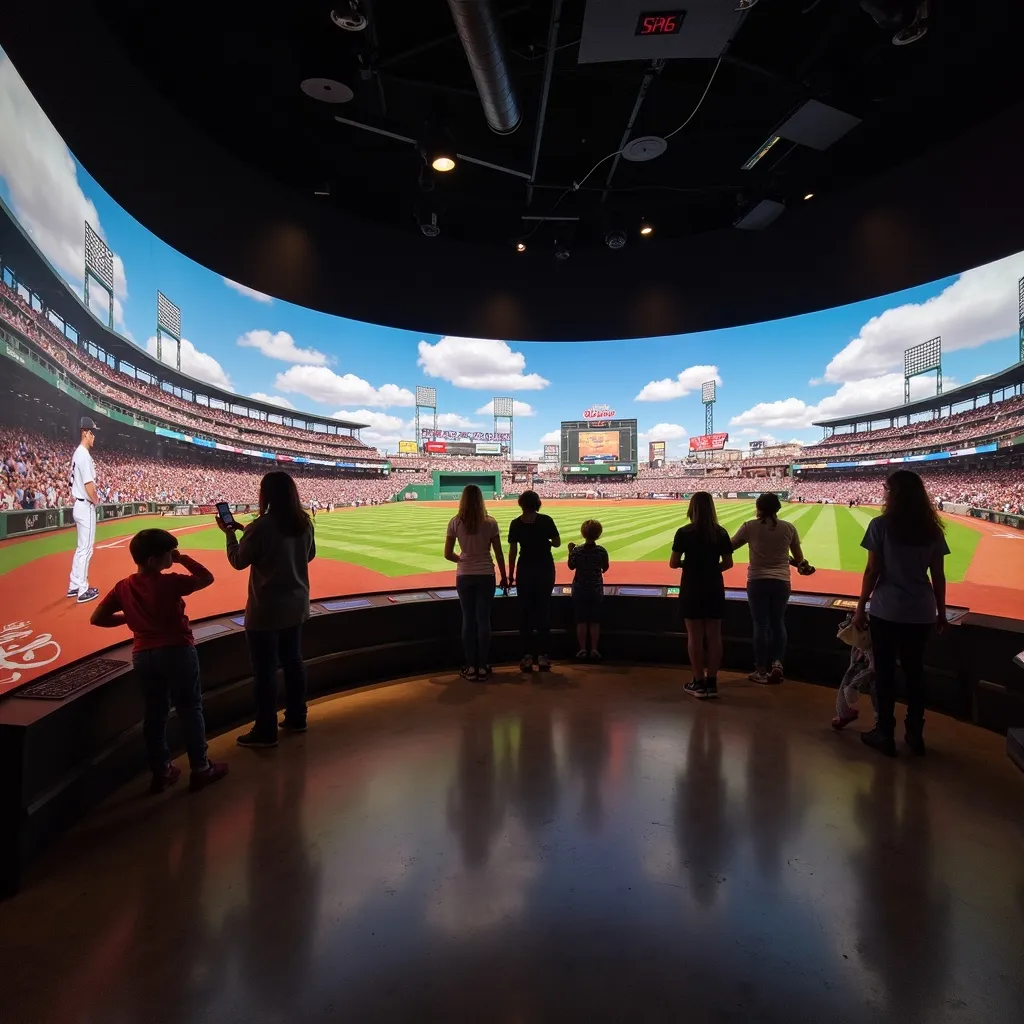
The Substantial Narrative of Baseball in America
Baseball, traditionally called America's beloved pastime, has a distinguished heritage that helps define the social landscape of the nation. Arising in the mid-1800s, the sport achieved rapid popularity, displaying the social patterns and regional characteristics of the period. The founding of major professional leagues transformed baseball into a pillar of American entertainment, with the National League forming in 1876 and the American League following in 1901.
Major events, such as the integration of baseball in 1947 with Jackie Robinson, marked substantial cultural shifts, challenging societal norms and advancing civil rights. The game has also witnessed legendary figures, from Babe Ruth to Hank Aaron, whose contributions echo beyond National Ballpark Museum entrance fee the diamond. Historic ballparks have hosted countless memorable moments, creating a communal experience for fans. Overall, baseball serves as a reflection of American history, encapsulating triumphs, struggles, and the lasting spirit of a nation bound by its passion for the game.
Memorable Baseball Treasures You Can't Overlook
While memories of legendary games and historic moments linger in the thoughts of fans, notable baseball artifacts acts as physical links to the sport's rich heritage. The National Ballpark Museum houses an impressive collection, featuring items that capture the essence of baseball's history. Visitors can marvel at vintage uniforms donned by Hall of Famers, each thread telling a story of triumph and perseverance. Autographed baseballs, kept in glass cases, offer glimpses into personal connections between players and fans, while rare photographs immortalize pivotal moments in baseball history.
Among the celebrated features are winning bands, embodying the pinnacle of excellence, and vintage tickets that convey visitors back to unforgettable games. Each artifact inspires consideration and appreciation for the sport's evolution. This thoughtfully curated collection not only presents the sport's defining moments but also triggers sentimental reflections, alerting audiences of the timeless heritage of America's pastime.
Meet the Legends: The Way the Museum Displays Baseball Icons
The tribute to baseball legends saturates the atmosphere of the National Ballpark Museum, where visitors are encouraged to discover the lives and achievements of the sport's most iconic figures. The museum features engaging exhibits that highlight the careers of baseball stars, offering artifacts, photographs, and interactive displays that bring their stories to life. Each section is meticulously curated to reflect the unique contributions of players such as Babe Ruth, Jackie Robinson, and Hank Aaron, demonstrating their impact both on and off the field.
The museum also features special events and guest speakers, allowing fans to hear firsthand accounts and insights from former players and historians. This dedication to honoring baseball icons enhances a deep connection between visitors and the legends who formed the game. Through its immersive environment, the National Ballpark Museum ensures that the legacy of these players serves to inspire future generations of baseball enthusiasts.
Find Out How Baseball Stadiums Have Shifted
Baseball has evolved throughout the decades, and its stadiums have undergone considerable renovation to address the changing requirements of fans and players alike. Early ballparks were typically straightforward, featuring wooden bleachers and minimal amenities, built chiefly to the game itself. Yet, as the sport rose in popularity, stadiums started to integrate additional features, including enhanced seating, concessions, and restrooms, boosting the overall experience.
The debut of innovative technology produced significant enhancements, including large-format displays and refined sound infrastructure. From an architectural standpoint, stadiums evolved from the traditional, symmetrical formats to more customized, fan-focused arrangements, building captivating atmospheres that embody local essence. The growth of business sponsorships also shaped planning, with executive boxes and exclusive seating turning into the standard. Today, stadiums serve as versatile establishments, facilitating entertainment and exhibitions beyond baseball, highlighting their adaptability and cultural importance in American culture. This transformation conveys not just a sport, but a vibrant community landmark.
Family-Compatible-Diversions at the National Ballpark Museum
The National Ballpark Museum presents a selection of child-appropriate experiences that recognize the rich history of baseball and its iconic stadiums. Families can take in hands-on experiences that inspire children to connect with the sport's history through hands-on displays. A scavenger hunt throughout the museum prompts young visitors to uncover artifacts and learn about storied athletes and historic moments.
Moreover, the museum conducts educational workshops where children can hone their baseball skills, learn about the science of the game, and take part in storytelling sessions about famous teams and their achievements. Special events, such as family days, often showcase guest speakers from the baseball community, offering a personal touch to the experience. With its engaging atmosphere and varied programs, the National Ballpark Museum cultivates a love for baseball, making it an ideal location for families looking to connect over America's favorite pastime.
Arrange Your Visit to the National Ballpark Museum
Curious about how to get the most from a trip to the National Ballpark Museum? Guests are encouraged to review the museum's official website for current hours and admission fees before organizing their visit. Located in Denver, Colorado, the museum is conveniently accessible via public transportation and offers adjacent parking options. It is advisable to allocate at least two hours to tour the extensive exhibits, which display baseball history and memorabilia.
For individuals looking for a curated visit, the museum delivers informative tours that investigate more deeply into the collections. Families can appreciate participatory installations, making it a memorable outing for all ages. Additionally, patrons should think about scheduling their arrival to align with exclusive occasions or rotating exhibitions for an improved visit. Finally, the museum shop provides special mementos for admirers to carry away, ensuring that the visit makes a permanent mark.
Commonly Sought Questions
What Are the Museum's Hours of Operation?
The museum operates from 10 AM to 5 PM, Tuesday through Sunday. It remains closed on Mondays, letting staff to upkeep displays and prepare for the next day's visitors enthusiastic to visit its exhibits.
Is There an Entry Charge for the Museum?
The museum requires a conservative entrance charge for entry. Visitors can discover a rich selection of historical artifacts and exhibits, enhancing their understanding of the sport's impact on American culture and history.
Do curated tours operate at the Museum?
Available guided tours at the museum give visitors an thorough experience. Knowledgeable guides discuss observations and anecdotes about the collections, enhancing the understanding of baseball history and its cultural relevance.
Is it Feasible to Purchase Keepsakes at the Museum?
At the gallery, souvenirs are sold for purchase. Visitors can find a variety of memorabilia, including garments, items, and themed items, allowing them the chance to take home a piece of their journey.
Does the Museum Provide Wheelchair Access?
The museum is easily accessible for wheelchairs, guaranteeing that all visitors can explore its displays with ease. Ramps and designated pathways are provided, encouraging inclusive access and enabling everyone to appreciate the extensive historical collection showcased within its spaces.